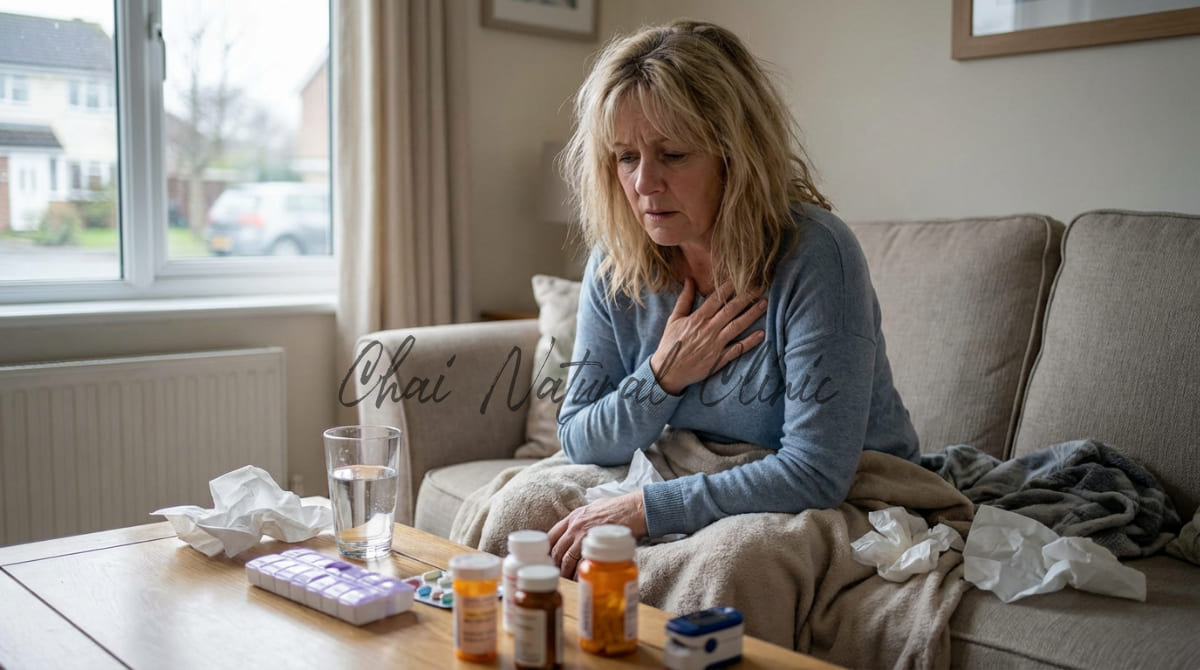
Long COVID, clinically referred to as Post-Acute Sequelae of SARS-CoV-2 infection (PASC), describes a constellation of symptoms that persist weeks or months after the acute COVID-19 infection has resolved. For many individuals, recovery is not linear. Instead, symptoms fluctuate, relapse, or evolve over time.
Long COVID is increasingly recognized as a multisystem condition, involving immune dysregulation, chronic inflammation, vascular dysfunction, and impaired cellular recovery.
What Is Long COVID?
Long COVID is defined by symptoms that:
- Persist beyond four weeks after infection
- Cannot be explained by an alternative diagnosis
- Affect physical, cognitive, or psychological function
It can occur after mild, moderate, or severe COVID-19, including cases that did not require hospitalization.
Common Long COVID Symptoms
Symptoms vary widely and may involve multiple organ systems simultaneously.
Fatigue and Post-Exertional Malaise
Persistent fatigue that worsens after physical or mental exertion is among the most reported symptoms.
Cognitive Dysfunction. “Brain Fog”
Difficulty concentrating, memory lapses, slowed thinking, and reduced mental clarity.
Respiratory Symptoms
Shortness of breath, chest tightness, and reduced exercise tolerance, even when imaging appears normal.
Cardiovascular and Autonomic Symptoms
Palpitations, dizziness, heart rate variability, and symptoms consistent with dysautonomia.
Musculoskeletal Pain
Muscle aches, joint pain, weakness, and reduced physical endurance.
Immune and Inflammatory Symptoms
Recurring flu-like sensations, low-grade fever, sore throat, and swollen lymph nodes.
Gastrointestinal Symptoms
GERD, nausea, diarrhea, abdominal discomfort, and appetite changes.
Why Long COVID Happens. What We Know So Far
While research is ongoing, several mechanisms are believed to contribute:
- Persistent immune dysregulation and chronic inflammation
- Microvascular and endothelial dysfunction affecting oxygen delivery
- Autonomic nervous system imbalance
- Residual tissue damage
- Possible viral persistence or immune imprinting
As a result, Long COVID is increasingly viewed not as a lingering infection, but as a prolonged recovery failure at the cellular and immune level.
Where Regenerative and Adjunctive Therapies Fit In
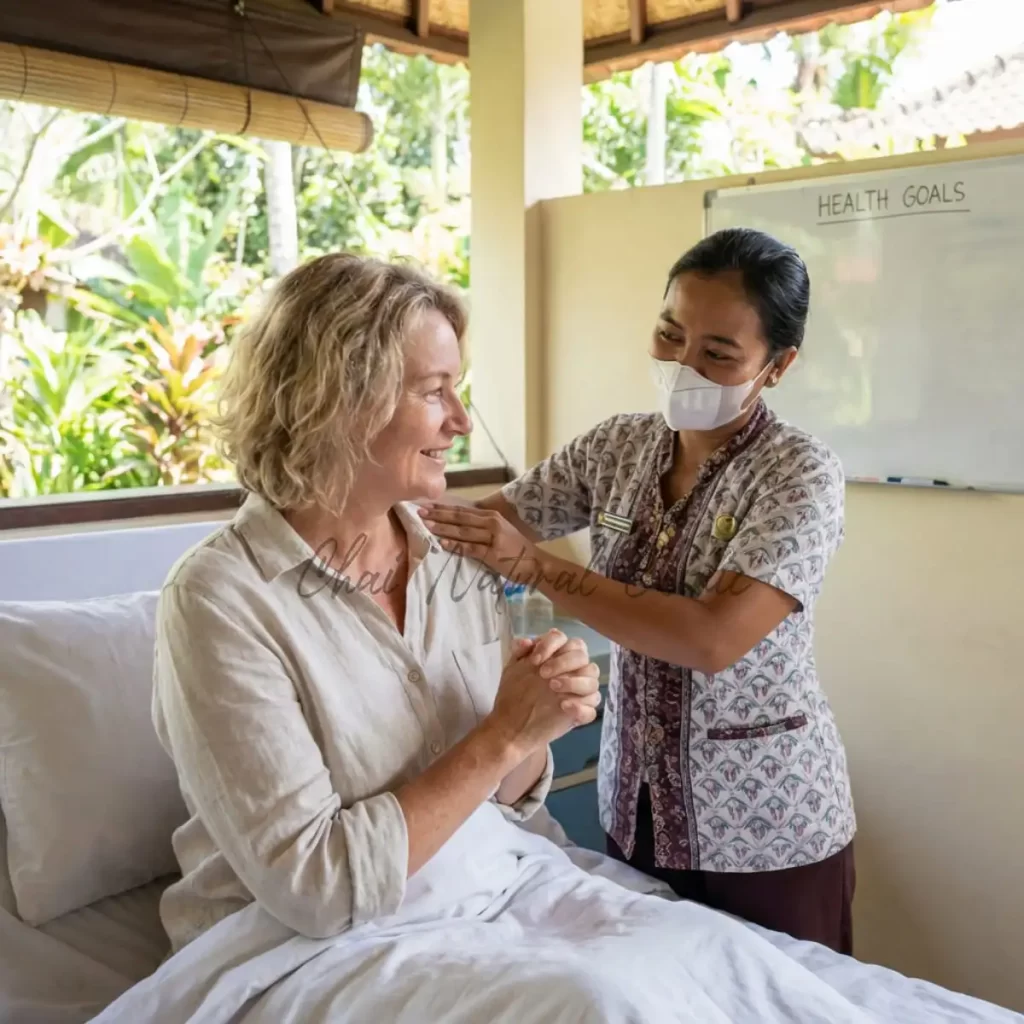
There is currently no single cure for Long COVID. Management focuses on symptom control, pacing, and rehabilitation. However, emerging therapies are being explored to support immune rebalancing, oxygen utilization, and health rejuvenation.
These approaches are adjunctive, not replacements for standard medical care.
Extracorporeal Blood Oxygenation and Ozonation in Long COVID Recovery
What It Is
Extracorporeal blood oxygenation and ozonation involves withdrawing a controlled amount of blood, exposing it to a precise mixture of medical-grade oxygen and ozone, then reinfusing it under strict medical supervision.
This therapy aims to modulate biological responses, not directly treat infection.
Why It Is Being Explored for Long COVID
Support for Oxygen Utilization
Long COVID symptoms such as fatigue and breathlessness are often linked to impaired oxygen delivery and mitochondrial stress. Oxygenation therapies may support microcirculation and cellular oxygen use.
Inflammation Modulation
Controlled ozonation has been studied for its ability to activate antioxidant pathways and reduce chronic inflammatory signaling when applied within medical protocols.
Immune Rebalancing
Long COVID often reflects immune overactivation or exhaustion. Ozonation-based therapies are being explored for their role in restoring immune efficiency rather than suppressing immunity.
Cognitive and Neurological Support
By improving circulation and reducing inflammatory load, these therapies may indirectly support symptoms such as brain fog, although evidence remains preliminary.
NK Cell Therapy. Immune System Reset, Not Local Repair
Natural Killer (NK) cell therapy is a systemic immunotherapy, not a tissue-specific regenerative treatment.
NK cells circulate throughout the body, identifying and clearing:
- Virus-infected cells
- Senescent or damaged cells
- Abnormally inflamed cells
In the context of Long COVID, NK cell therapy is being explored for:
- Chronic inflammation control
- Immune surveillance restoration
- Reduction of immune exhaustion
- Support for long-term immune resilience
NK cell therapy does not rebuild muscle or organs directly. Instead, it helps restore a biological environment where recovery becomes possible.
Exosome Therapy. Regenerative Signaling Across Systems
Exosome therapy acts as a communication-based regenerative approach.
Exosomes are biological messengers derived from stem cells that deliver signals to:
- Reduce inflammation
- Promote tissue repair
- Support vascular and neural recovery
For Long COVID, exosomes are being explored for:
- Multisystem recovery
- Neurological and cognitive support
- Muscle and joint regeneration
- Immune modulation
Exosomes can function both locally and systemically, making them adaptable to the diverse symptom patterns seen in Long COVID.
How These Approaches Fit Together
Long COVID recovery is rarely one-dimensional.
- Extracorporeal blood oxygenation and ozonation may support oxygen use, inflammation control, and immune balance
- NK cell therapy addresses immune dysregulation and chronic inflammation system-wide
- Exosome therapy delivers regenerative signals across multiple systems
- Liver Flush therapy boosts overall liver health for better immunity.
Each approach targets a different layer of dysfunction, which is why multimodal strategies are increasingly discussed in clinical research.
Long COVID is a complex, multisystem condition driven by immune imbalance, inflammation, and impaired cellular recovery. While conventional management focuses on symptom control and rehabilitation, emerging regenerative and adjunctive therapies are being explored to support immune rebalancing, oxygen utilization, and tissue repair.
As research progresses, integrative approaches may help selected patients navigate recovery more effectively. Medical oversight and evidence-based decision-making remain essential.